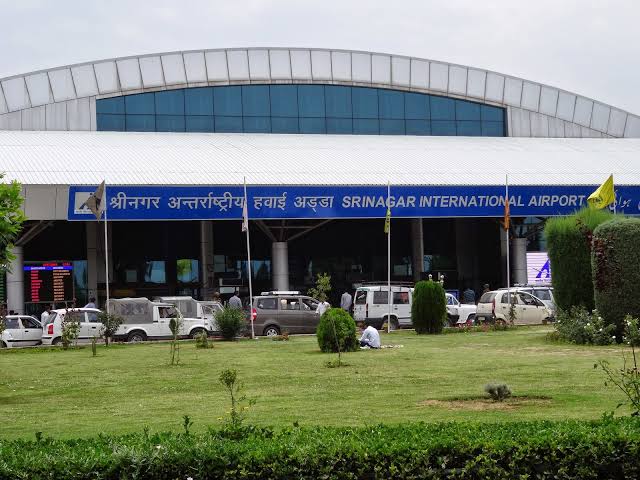
Srinagar, Dec 13: A comprehensive dry run was conducted on Saturday at Srinagar International Airport to assess its preparedness for the upcoming winter and snow season, with a special focus on fog and low-visibility operations, officials said.
Srinagar airport handles over 60 domestic inbound and outbound flights daily on average. However, during the winter season, flight operations often face disruptions due to fog and snowfall.
The drill was carried out jointly by Airports Authority of India (AAI) along with Airline Airport Managers (APMs), the Central Industrial Security Force (CISF), Ground Handling Agencies (GHAs), the Medical Inspection Unit, and other concerned stakeholders.
The coordinated exercise aimed to assess inter-agency coordination, response efficiency, and the functionality of both passenger-facing and operational facilities during adverse weather conditions.
Officials said the exercise helped evaluate standard operating procedures, communication mechanisms, and on-ground readiness to manage disruptions caused by snow, fog, and extreme cold. Passenger movement, emergency response, and operational workflows were also reviewed during the drill.
During the drill, heating arrangements, passenger waiting areas, illumination, drinking water, washrooms, seating capacity, and charging facilities inside the terminal were inspected to ensure passenger comfort.
Cleanliness arrangements and availability of additional manpower during peak winter operations were also reviewed.
Airport officials said preparedness for fog and low-visibility conditions was evaluated by reviewing operational protocols and coordination between air traffic control, airlines, apron control, and terminal operations.
Passenger facilitation measures during flight delays, diversions, and cancellations were also assessed.
They said CISF preparedness, emergency response mechanisms, surveillance systems, and access control arrangements were reviewed to ensure safety and security during weather-related disruptions. Coordination between airside and landside operations, including traffic management and manpower availability, was also examined.
Officials said all stakeholders were directed to remain on high alert throughout the winter season, while airlines were advised to keep passengers informed in a timely manner about flight schedules and disruptions. Observations made during the exercise have been shared with concerned agencies for prompt rectification.
After the exercise was conducted successful, the authorities advised continuous monitoring and periodic review of arrangements to ensure smooth operations and passenger comfort during adverse weather conditions.–(UNI)